
Fermented Radishes
by Suzanne
Recently I was running around outside playing tag with some kids, forgetting I was -ahem- middle-aged. I lunged to the side to tag someone and my knee gave out. Youch! So I was not able to get around too well for a couple of weeks. The worst thing about not being able to walk, aside from having a hard time making it to the bathroom, is that it totally messed up my fermenting schedule! Springtime is great for fresh produce, but when last year’s dill pickles have long been eaten, I get a craving for a little something sour. Fermented radishes have just the right crunch to satisfy my pickle craving until the cukes are ready. With my bad knee, I nearly missed it, but I was able to send someone to the market for a nice bunch of fat radishes to tide me over. So here goes:
- Chop radishes in halves or quarters so that all the pieces are about the same size.
- Add the radishes to a clean jar, along with your favorite herbs and spices for flavor. I used a sprig of fresh thyme and 2 garlic cloves, slightly smashed, for this batch. Try other fresh herbs like dill, oregano, or basil. Black peppercorns are another great addition, for a little kick.
- Make up a brine solution. The rule of thumb for vegetable fermentation is 1-3 tablespoons salt per quart of water. That’s per quart of water, NOT quart of vegetables. Always make the brine in a separate clean jar.
- Pour brine over the radishes until they are completely covered. Discard excess brine solution or use for other vegetable ferments.
- If you have some floating radishes, use a weight to keep them submerged under the liquid. Put a tight lid or a fermentation airlock on your jar. Set aside for 3-4 days to ferment. Yes, this is a fast ferment.
- If using a tight lid, make sure to open the lid every day to release any fermentation gases that have been produced. After Day 3, remove the lid and take a taste. Do the radishes still have a raw crunch? Put the lid back on and test again in 24 hours. Do the radishes have a crunchy pickle texture? They’re ready to eat!
Make sure to put a tight lid on the jar and store the leftovers in the fridge. Enjoy!
Garlicky Kraut
Garlicky Kraut I don’t steer too far from the norm when it comes to sauerkraut, but I do love garlic...
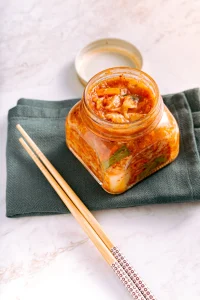
Kicking it Making Kimchi
Kicking it Making Kimchi Kimchi can have many, many versions of itself…its origin is known to be Korea, and I...
Wakey Wakey Water Kefir Grains
Wakey Wakey Water Kefir Grains Water Kefir Grains are by far one of the easiest (and most fun) cultures I have...
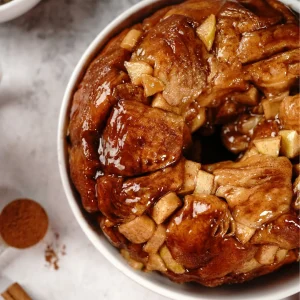
Monkey Bread: Deliciously Sticky Gooey Gluten-Free Sourdough Blobs
Monkey Bread: Deliciously Sticky Gooey Gluten-Free Sourdough Blobs Awhile back a friend brought to a party something called “monkey bread”...
Caring For Water Kefir Grains: Fermentation Do’s and Don’ts
Caring For Water Kefir Grains: Fermentation Do’s and Don’ts Water kefir grains are a type of symbiotic culture of bacteria...
Water Kefir Ingredients
Water Kefir Ingredients Water Kefir is one of the easiest cultured drinks to make. In addition to the grains, all you...
Troubleshooting Your Water Kefir Grains
Troubleshooting Your Water Kefir Grains Your Water Kefir Grains might give you a run for your money (and patience) now and...
Water Kefir: Pop and Fizz!
Water Kefir: Pop and Fizz! The second fermentation is a step many don’t realize needs to happen before you can get...
Sourdough Coconut Biscuits
Sourdough Coconut Biscuits These are the tastiest little “biscuits” made from a gluten-free starter. Be warned, it can get very sour, so...
MA 11 + Animal Rennet = Chevre Cheese-a-licious!
MA 11 + Animal Rennet = Chevre Cheese-a-licious! Making your own homemade Chevre is rewarding and delicious. If you haven’t...