
Fermented Garlic Carrots
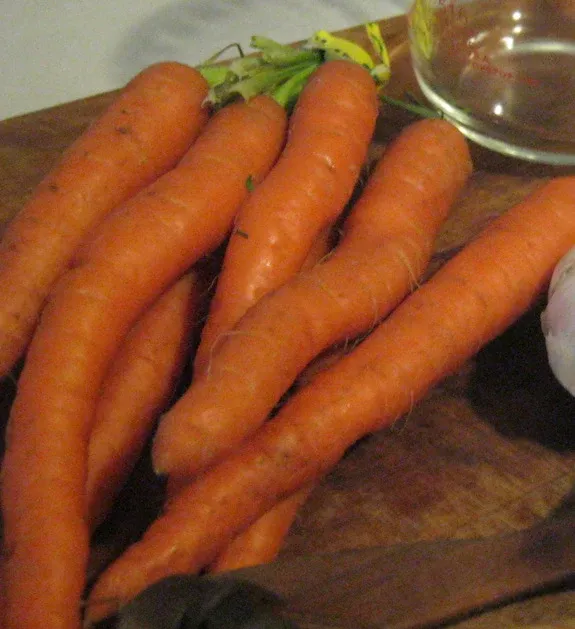
Visiting the farmer’s market each week is a great way to get motivated for fermenting vegetables. Here in Portland, Oregon, my local market is already filled with so many vegetables, it’s difficult to choose just one! However, I prefer to keep things simple, so this week, I’m going for fermented carrots.
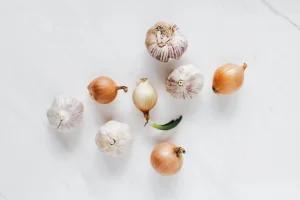
Fermented carrots are a wonderful, kid-friendly snack, and they take almost no time to put together. Garlic adds wonderful flavor, as do many herbs, such as thyme or rosemary. Today, however, I am keeping it simple, so just garlic cloves for a little added kick.
Getting started, Get Fermented
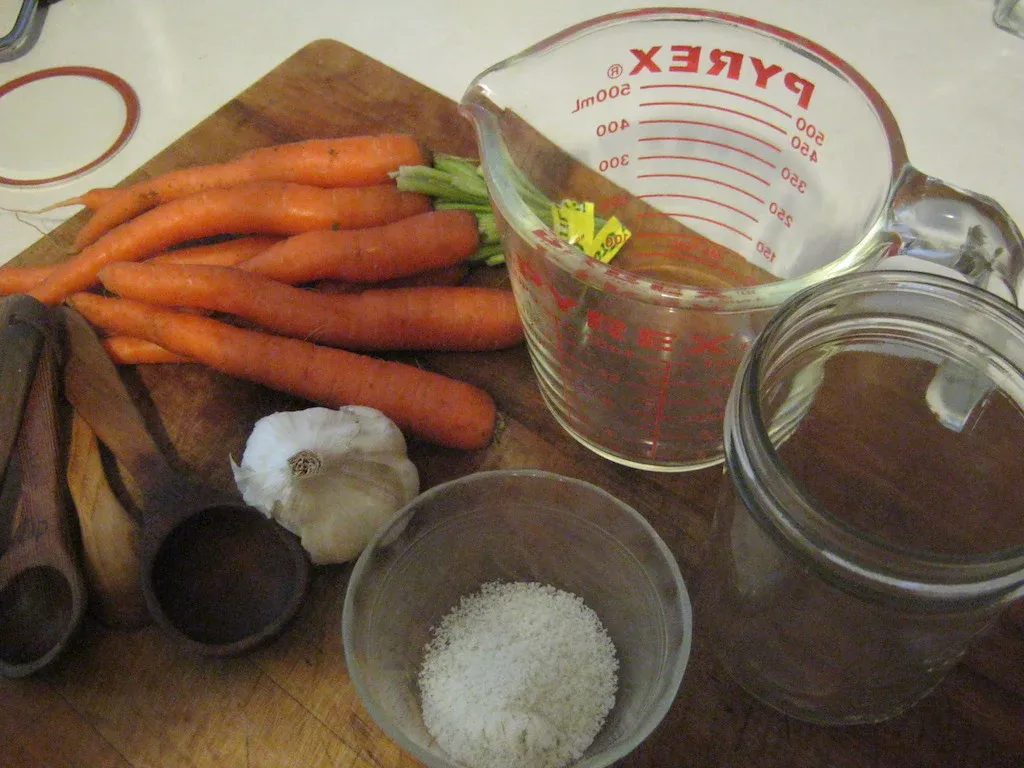
I assemble everything I need:
- Carrots
- Garlic cloves, peeled
- Sea salt
- Filtered water
- Measuring cup and spoons
- Pint jar
The first step is to measure out the sea salt and dissolve it in the unchlorinated water. The general rule is to use 1-3 tablespoons salt per quart water, adjusted to your personal taste. I like things salty, so I am using 3 tablespoons in 1 quart of water.
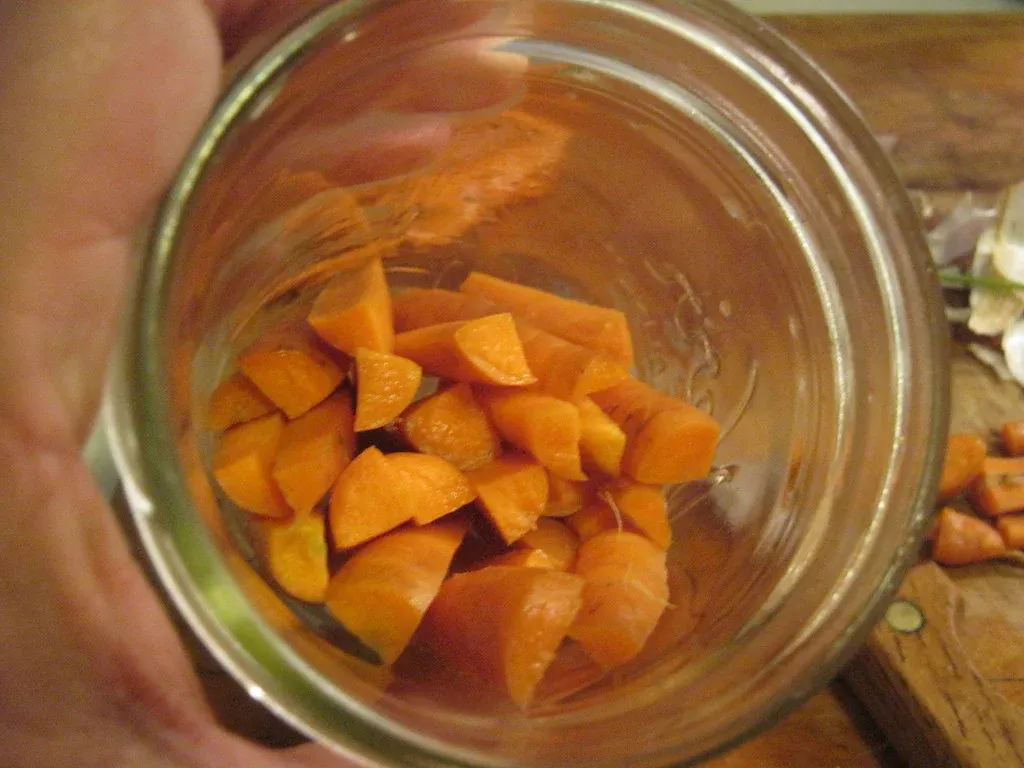
Next, wash and chop the carrots. Remember that you want all the carrots to ferment at about the same rate, so chop them into pieces of about the same length and thickness. No need to get out a measuring tape, just estimate. Keep it simple!
Once the carrots are chopped and ready, it’s time to pack them into the jar.
Fermenting vegetables is quite easy and doesn’t have many rules, but there is one big one:
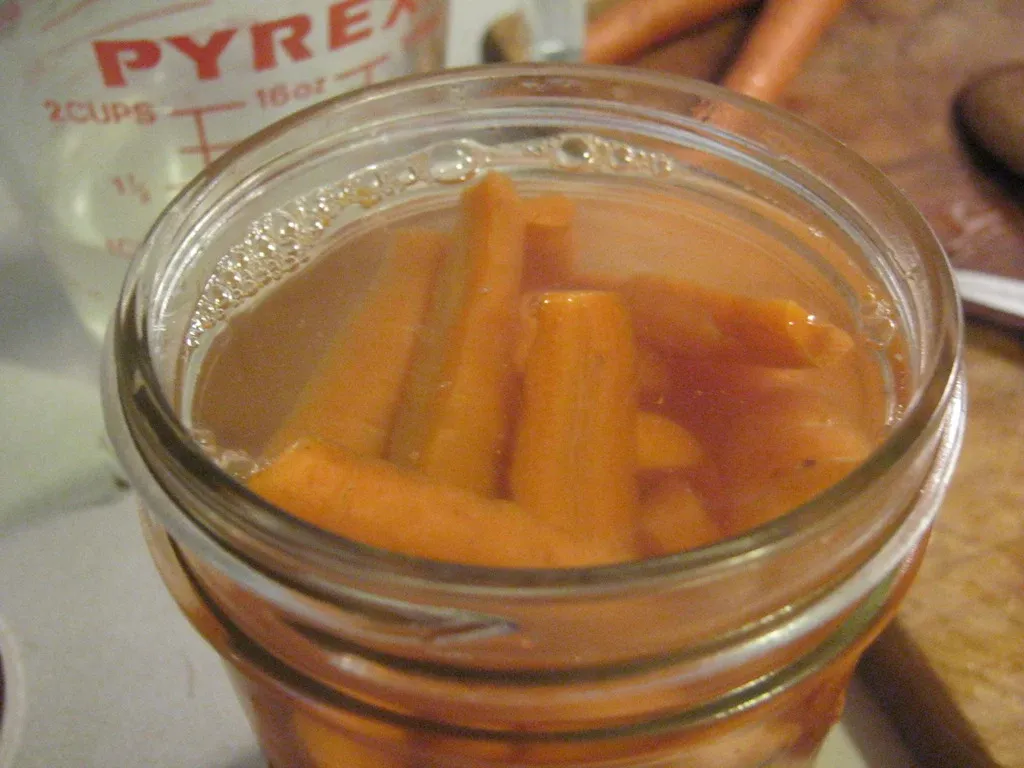
Keep everything completely submerged in the salt water!
An easy way to do this with carrot sticks is to pack them in the jar standing up, to pack them in pretty tightly, which holds them down and keeps the carrot sticks from floating. Pack the peeled garlic cloves in with the carrot sticks.
Next, pour the cooled salt water over the carrot sticks until they are completely covered. Be sure to leave a little headspace, as things can expand and bubble a bit during fermentation.
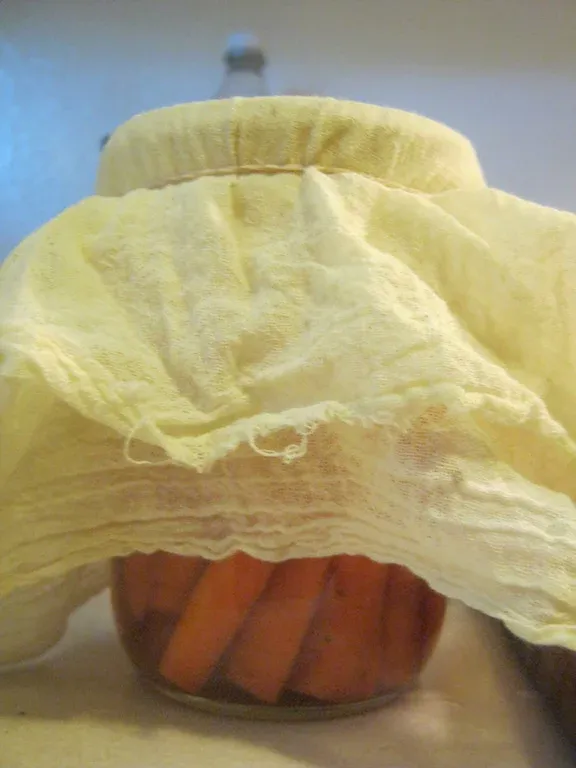
The final step is to cover your jar with a breathable lid, to keep out pests, dust, falling cocoa powder, and other things flying around your kitchen. I like to use a double layer of butter muslin and a rubber band, super easy!
Now let the jar sit in a cool spot for about 2 days. Taste the carrots every day after 2 days of fermenting. If they have a nice sour flavor and are crunchy but not ‘raw’ crunchy, they’re ready! Screw on a tight lid and store them in the fridge. Get Fermenting with fresh veggies from your local market and these handy fermenting supplies!
Garlicky Kraut
Garlicky Kraut I don’t steer too far from the norm when it comes to sauerkraut, but I do love garlic...
Kicking it Making Kimchi
Kicking it Making Kimchi Kimchi can have many, many versions of itself…its origin is known to be Korea, and I...
Wakey Wakey Water Kefir Grains
Wakey Wakey Water Kefir Grains Water Kefir Grains are by far one of the easiest (and most fun) cultures I have...

Monkey Bread: Deliciously Sticky Gooey Gluten-Free Sourdough Blobs
Monkey Bread: Deliciously Sticky Gooey Gluten-Free Sourdough Blobs Awhile back a friend brought to a party something called “monkey bread”...
Caring For Water Kefir Grains: Fermentation Do’s and Don’ts
Caring For Water Kefir Grains: Fermentation Do’s and Don’ts Water kefir grains are a type of symbiotic culture of bacteria...

Water Kefir Ingredients
Water Kefir Ingredients Water Kefir is one of the easiest cultured drinks to make. In addition to the grains, all you...
Troubleshooting Your Water Kefir Grains
Troubleshooting Your Water Kefir Grains Your Water Kefir Grains might give you a run for your money (and patience) now and...
Water Kefir: Pop and Fizz!
Water Kefir: Pop and Fizz! The second fermentation is a step many don’t realize needs to happen before you can get...
Sourdough Coconut Biscuits
Sourdough Coconut Biscuits These are the tastiest little “biscuits” made from a gluten-free starter. Be warned, it can get very sour, so...
MA 11 + Animal Rennet = Chevre Cheese-a-licious!
MA 11 + Animal Rennet = Chevre Cheese-a-licious! Making your own homemade Chevre is rewarding and delicious. If you haven’t...