
NW Ferments

Caring For Water Kefir Grains: Fermentation Do’s and Don’ts

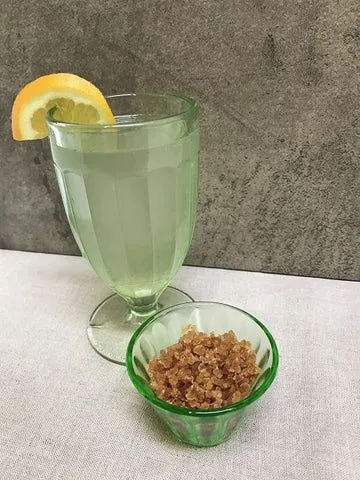
Water kefir grains are a type of symbiotic culture of bacteria and yeast (SCOBY) used to ferment a sugar-water solution, resulting in a beverage known as water kefir. These grains are made up of a complex matrix of bacteria and yeast that work together to convert sugar into lactic acid, alcohol, and carbon dioxide. The consequential drink has a slightly sweet and tangy flavor, with a hint of natural carbonation.


Caring for 
water kefir grains is easier when you know some of the basics. We are here to help you be more successful with your fermenting with some Do’s and Don’ts.

Ingredients

Besides water kefir grains, the other important ingredients are water and sweetener. Many variables impact the flavor, texture, nutrition, and health of the grains, so get the highest quality version of these two ingredients that you can.

Do:

  • Stick to a ratio of 3 to 4 Tbsp. of grains for each 1 to 2 quarts of sugar water. For only 2 Tbsp. of grains, culture only 1 quart water + 1/4 cup sugar.
  • Use water free of chlorine, fluoride, chloramine, and other harmful additives.
  • Use a cane sugar variety such as rapadura, turbinado, sucanat, white sugar, or evaporated cane juice crystals. These sugars provide the exact nutrients your grains crave.
  • Use white cane sugar or evaporated cane juice crystals if you want a sweeter water kefir. We’d recommend rapadura if you enjoy a heartier, more molasses-y-tasting kefir.
  • Add ONE of the following to strengthen the mixture: a pinch of baking soda, a pinch of sea salt, ½ tsp unsulphured blackstrap molasses for each quart of water, 1 eggshell (if no allergies), or mineral drops if using a low mineral water and sugar.

Don't:

  • Use sweeteners like honey, palm sugar, stevia, agave, artificial sweeteners, maple syrup, sorghum syrup, coconut sugar, beet sugar, corn-based sweeteners, powdered sugars, or invert sugar. These are nutritiously deficient.
  • Include rapadura, turbinado, sucanat or add extra minerals when using well or spring water. This causes over-mineralization, and your grains likely will become mushy, fall apart, or disappear.

Fermenting Environment

When something goes wrong with a batch of water kefir, it’s often to do with the environment of the brew. Here are some key things to consider in the care of water kefir grains.

Do:

  • Make sure the room temperature is between 68 – 85ºF the entire culturing time. Grains can be damaged and even die when temperatures are outside this range. 
  • Ferment 24 – 48 hours, but DON’T ferment any longer unless the room temperature is on the lower end.
  • Keep your water kefir grains at least 4 – 5 feet away from other culturing projects, house plants, compost, garbage, soiled laundry, or furbabies. Even if a cabinet door separates your cultures, bacteria will still travel and possibly cross-contaminate.
  • If your water kefir ferments don’t seem to come out right despite following these instructions, DO check out our article Troubleshooting Your Water Kefir Grains for more insights.

Don't:

  • Do 72-hour ferments very often, as your grains may culture all the sugar up before you realize it, and when left without food they will be unhappy (and can be damaged).
  • Culture near or in rooms with chemical products, like the laundry room.
  • Use dishes or utensils that could have soap residue.
  • Use an anti-bacterial soap to clean your dishes or utensils that will be used with the water kefir grains.

Grain Treatment

When caring for your water kefir grains, knowing how to store them will save you from lots of frustration.

Do:

  • Store them in a clean, airtight container with some fresh sugar water or a little bit of sugar added to the water. Keep them at room temperature, away from direct sunlight, and in a spot with good air circulation.
  • Take care when transferring your grains: Use a non-metallic strainer or spoon to transfer the grains, as metal can react with the acids in the kefir and damage the grains. Also, avoid squeezing or pressing the grains, as this can cause them to burst and lose their shape.
  • Dry your water kefir grains by placing a kitchen towel, butter muslin, or cheesecloth over the casserole dish. This will protect them from flies, dirt, or other crud.

Don't:

  • Store grains in the fridge unless absolutely necessary. If you have to, we recommend storing them no longer than two weeks, and even so, expect the grains to take a few rounds of culturing to snap back.
  • Rinse your grains. Doing so takes off the protective bacteria that makes them thrive. We would only recommend rinsing them as a last-ditch effort if they’re covered in mold or about to die anyway.

What To Do With Extra Kefir Grains

Are your water kefir grains doing great and leaving you with more than you can use? No problem! The beneficial bacteria can benefit more than your gut health. Here are some alternative options for your grains:

Do:

  • Feed extra kefir grains to your goats, chickens, or pet.
    (Sue loves feeding them to her goats!)
  • Add them to your probiotic smoothie for an extra kick
  • Add them to your compost
  • Give them to friends for their own ferments

Taking care of your water kefir grains may seem daunting at first, but with a little practice and attention, it can become second nature. Remember to use the best ingredients, maintain the right environment, and treat your grains with care. With these tips in mind, you’ll soon be enjoying delicious and healthy water kefir at home. And if you’re interested in starting your own water kefir journey, don’t forget to check out our Water Kefir Starter Kit. It has everything you need to get started and make your own refreshing and probiotic-packed water kefir. Happy fermenting!

Water Kefir FAQs

How Should I Store My Water Kefir Grains?

The best option for storing your water kefir grains is to dry them and then freeze them.The best option for storing your water kefir grains is to dry them and then freeze them.


DO this when drying your water kefir grains for storage:


  • In a glass casserole dish, lay some parchment or waxed paper down.
  • Use a rubber spatula to spread the grains in a single layer.
  • Without the fabric touching the grains, place a kitchen towel, butter muslin, or cheesecloth over the casserole dish. You want the grains to dry out at room temperature without getting dirt or bugs on them.
  • After a few days, they should be completely dry. Once they are dry, store them in the freezer. DON’T freeze your grains before drying them, as that can greatly damage the bacteria.
Can You Make Water Kefir Without Sugar?

There are a few methods to make water kefir without using sugar. One way is to use extra kefir grains to make sugarless water kefir, as the health of the grains won’t matter as much. Another option is to keep the kefir grains healthy by refreshing them in a mixture of sugar, molasses, and water after each non-sugar ferment. A third option is to substitute sugar with other natural sweeteners such as honey, maple syrup, or coconut sugar, which will provide different flavors and nutrients to the kefir. However, it’s important to note that using alternative sweeteners may impact the health of the kefir grains and the taste of the final product, so experimentation and monitoring are key.

Can You Make Water Kefir Without Grains?

No, It is not possible to make water kefir without grains. This is because the yeast and bacteria strains present in the water kefir culture are distinct and the resulting flavor is unmatched.

Can You Reuse Water Kefir Grains?

Certainly! Reusing water kefir grains is easy and economical. Once your grains have finished culturing your first batch of kefir, simply strain them out and transfer them to a new batch of sugar water. You can use the same ratio of grains to sugar water that you used for your first batch, usually around 3-4 tablespoons of grains per quart of water.


It’s important to note that you may want to refresh your grains occasionally by rinsing them in fresh, non-chlorinated water and then transferring them to a fresh batch of sugar water. This can help keep your grains healthy and active, especially if you notice that your kefir is not fermenting properly or if the grains start to look unhealthy.

Garlicky Kraut

Garlicky Kraut I don’t steer too far from the norm when it comes to sauerkraut, but I do love garlic...

Kicking it Making Kimchi

Kicking it Making Kimchi Kimchi can have many, many versions of itself…its origin is known to be Korea, and I...
Water Kefir Ingredients

Water Kefir Ingredients Water Kefir is one of the easiest cultured drinks to make. In addition to the grains, all you...
Water Kefir: Pop and Fizz!

Water Kefir: Pop and Fizz! The second fermentation  is a step many don’t realize needs to happen before you can get...
Sourdough Coconut Biscuits

Sourdough Coconut Biscuits These are the tastiest little “biscuits” made from a gluten-free starter. Be warned, it can get  very  sour, so...