
Desem Sourdough Starter Instructions
You Will Need:
- one quart canning jar or other glass jar
- coffee filter or paper towel to cover jar, and elastic
- band to secure cover
- wooden or plastic spoon
- rye flour (dark or light)
- water (room temp – filtered or spring water preferred)
- 1 packet sourdough starter culture
Activating your starter culture:
- Put 1/4 cup water into jar. Sprinkle starter culture over water, and allow to sit for a few minutes to soften. Stir until well mixed. Add 1/4 cup flour, mixing well (stirring vigorously will incorporate bubbles into the mixture, which helps with activation). Cover the jar & secure with elastic band.
- Allow to culture at room temperature (68 to 78° F is ideal) for 24 hours. Choose a draft-free spot, out of direct sunlight. Stirring again once or twice during this first 24 hours will help get things going.
- After 24 hours, “feed” your starter with 1/8 cup of flour and enough water to make a thick pancake batterlike consistency. Stir well to incorporate. Allow to culture as before. Continue to feed twice daily with 1/8 cup flour & water until tiny bubbles appear on the surface. This means your culture is ”waking up”. You may begin to see some activity within another day or 2, but it can take several days depending on temperature and density of flour used. When it’s full of bubbles, you’re ready for action!
- Once your starter is activated, continue with once or twice daily feedings of roughly equal parts flour & water. Frequent feedings will keep your starter active and will increase volume more quickly for baking ( amount of starter needed depends on your recipe).
As you use your starter in recipes, always remember to reserve some back for your continuing starter. If you plan to use it frequently, keep it in a warm place and continue with daily feedings. If it will be awhile until you use it, store it in the refrigerator in a covered jar or container. This will put your starter to “sleep”, requiring less attention until you’re ready to use it again. While refrigerated, feed your starter every week or two to keep it happy. Remember – it will take a day or two for your starter to bounce back from refrigeration. Feed regularly until active again!
Garlicky Kraut
Garlicky Kraut I don’t steer too far from the norm when it comes to sauerkraut, but I do love garlic...

Kicking it Making Kimchi
Kicking it Making Kimchi Kimchi can have many, many versions of itself…its origin is known to be Korea, and I...
Wakey Wakey Water Kefir Grains
Wakey Wakey Water Kefir Grains Water Kefir Grains are by far one of the easiest (and most fun) cultures I have...

Monkey Bread: Deliciously Sticky Gooey Gluten-Free Sourdough Blobs
Monkey Bread: Deliciously Sticky Gooey Gluten-Free Sourdough Blobs Awhile back a friend brought to a party something called “monkey bread”...
Caring For Water Kefir Grains: Fermentation Do’s and Don’ts
Caring For Water Kefir Grains: Fermentation Do’s and Don’ts Water kefir grains are a type of symbiotic culture of bacteria...

Water Kefir Ingredients
Water Kefir Ingredients Water Kefir is one of the easiest cultured drinks to make. In addition to the grains, all you...
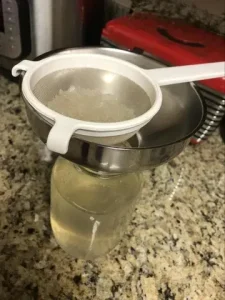
Troubleshooting Your Water Kefir Grains
Troubleshooting Your Water Kefir Grains Your Water Kefir Grains might give you a run for your money (and patience) now and...
Water Kefir: Pop and Fizz!
Water Kefir: Pop and Fizz! The second fermentation is a step many don’t realize needs to happen before you can get...

Sourdough Coconut Biscuits
Sourdough Coconut Biscuits These are the tastiest little “biscuits” made from a gluten-free starter. Be warned, it can get very sour, so...
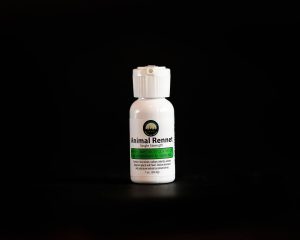
MA 11 + Animal Rennet = Chevre Cheese-a-licious!
MA 11 + Animal Rennet = Chevre Cheese-a-licious! Making your own homemade Chevre is rewarding and delicious. If you haven’t...