by Kim
We’re so happy to see fermentation making such a comeback in America. Stop – it’s not just because we are a company that sells starter cultures. Stop being cynical. We’re happy because the process that doctors have called one of the most valuable additions to diets is being embraced again by the public. We will provide you with enough information to get you started with the easiest fermented foods first. We’re also glad that people no longer see fermentation as such a laborious process because it isn’t. It may seem that way, but it can be done effectively at home, and save you tons in grocery costs. A jar of sauerkraut can cost $8 at the co-op; meanwhile, a $3 head of cabbage can give you sauerkraut for weeks. And also, of course, do wonders for your overall health. To get you started, we’ve outlined some of the easiest fermented foods and drinks that you can make at home. These are the ideal items to start, as you begin your DIY fermenting skills. Without further ado, here they are:
Kombucha
Yogurt is familiar to nearly everyone, so it’s easy to add to your daily meal plan. Kids love it! It mixes well with so many foods: berries, granola, nuts, and shredded coconut, just to name a few. Yogurt is also a wonderful addition to savory foods. Try a spoonful of plain yogurt atop beef stew, pasta, or any dish you would normally add sour cream to. When you make your own yogurt at home, you know exactly what the ingredients are. Use good quality organic milk to make your own organic yogurt at home. Keep it gluten-free, dairy or vegan, non-GMO, and organic, just the way you like it! Last but not least, making your own organic yogurt at home is good for the environment. No more plastic containers and lids to throw away.
How Do I Make Yogurt at Home?
Tea, sugar and a good old’ SCOBY, these are the ingredients for having your own Kombucha on tap. It’s also a huge cost-saver, as separate bottles of Kombucha can add up. We recommend using black or green teas, but staying away from Earl Grey or other heavily flavored teas, which may disrupt fermentation. Also try to use a glass vessel, as metal or steel could corrode from the high acid content. When fermenting, try to keep the Kombucha in an area around 75°F-85°F.
Sourdough Bread
You should see the look on people’s faces when we tell them that sourdough bread is alive. That means, beyond the fabulous flavor, it packs the active yeasts that are critical to your digestive tract. The most important step in making it is procuring a fresh, active sourdough starter. Once you have that, the process is rather simple: mix the starter with flour, water, and salt; knead the dough; split into loaves, cover, and proof for 4-24 hours; finally, slice an X into the top and bake it in the oven. Finally, enjoy the most pleasant smell in the world: fresh baked bread, wafting through your kitchen.
Vegetables
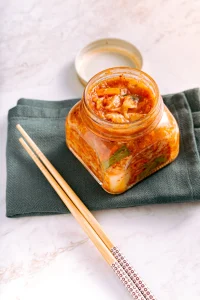
You can ferment just about any vegetable. How great is that? The most popular ones are carrots, green beans, radishes, and beets. For the fermentation process, you will need to decide if you’re using salt, whey or a starter culture for making your brine (the liquid your vegetables will ferment in). Vegetables are possibly the easiest and quickest fermentation: cut the vegetables, place in glass jars and submerge completely in the brine for 1-2 days until fermented (you’ll know it’s ready once the ferment has developed a ˜tangy’ taste). Then, keep the jar in cold storage. Two pro tips: use organic vegetables, and use filtered/purified water for making your brine.
Yogurt
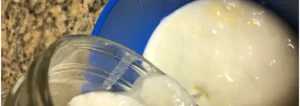
Making yogurt seems like a daunting task to those who haven’t done it. In truth, it’s so simple you could probably fit it in your morning routine. The easiest process for beginners is mesophilic yogurt, also known as room temperature set. What this does is turn milk into yogurt. First, you’ll put 1-2 cups of pasteurized milk into a glass container and mix it with yogurt starter. You’ll then cover with a cloth or coffee filter”secured with a rubber band”-and place it in a warm area (70°-78°F) to let it culture. After 12 hours, you can check to see if it is set (you’ll know if, when you tip the container, the mixture has become gelatinous and will pull away from the side). Sometimes it takes longer to set – if so, leave it up to 48 hours, checking every few hours for that desired consistency. When that time has come, cover it with a tight lid and refrigerate for 6 hours. Then, you eat. Oh, and here’s the best part – for making future batches, you can just use a few scoops of your already-existing yogurt. That means exactly what you think – yogurt for life! Ready to get started? Check out our supply of starter cultures, which also have detailed instructions on preparation.
Don't waste time - Get Fermented!